

A former golf course on the Lincolnshire coast has officially opened as a new nature reserve, Sandilands, where people and wildlife can thrive for generations to come.
The National Trust acquired the 2km stretch of coastline in March 2020, thanks to a generous donation from a supporter who asked for the funds to be invested in Lincolnshire, alongside support from the Trust’s Neptune Coastline Campaign, marking the conservation charity’s first coastal land acquisition in the county.
Now, after over six years of extensive planning, consultation and partnership working, Sandilands has been transformed into a 30-hectare (equivalent to 42 football pitches) coastal nature reserve, designed to benefit both wildlife and local communities.
This transformation has been funded thanks to £2 million of Mablethorpe Towns Fund investment through Connected Coast, £1.5 million from National Highways and £200,000 from the UK Government Shared Prosperity Fund, delivered by East Lindsey District Council, and with the support of local partners, community groups and volunteers.
The project has been carefully designed to complement the wider Lincolnshire Coastal Country Park, a 5-mile stretch of coastline (a 3,500-hectare area) extending from Chapel Point to Sandilands, delivered through a partnership of organisations committed to enhancing nature, supporting local communities and helping this special stretch of coastline thrive. Together, these habitats including sandy beaches, dunes, grazing marshes and reedbeds, provide an increasingly important refuge for wildlife in the face of climate and environmental pressures.
Katie Scott, Area Ranger for the National Trust at Sandilands said, “Even before the project was officially complete, wildlife was beginning to flourish here, with avocets and oystercatchers successfully nesting and breeding for the first time on the reserve this year, and little ringed plover chicks spotted over two consecutive years. Other species which will now have a new place to nest and breed include lapwing, snipe, terns and gulls. The site will also provide a vital touch-down for migratory birds such as black-tailed godwit, spotted redshank and spoonbill.
“Many of the species at Sandilands have a red or amber conservation status, and fly thousands of miles on their annual migrations. Creating this new area of wetland to form a part of the Coastal Park will further extend the safe refuges for these birds to recharge and refuel each year and ensure they can survive and thrive.”
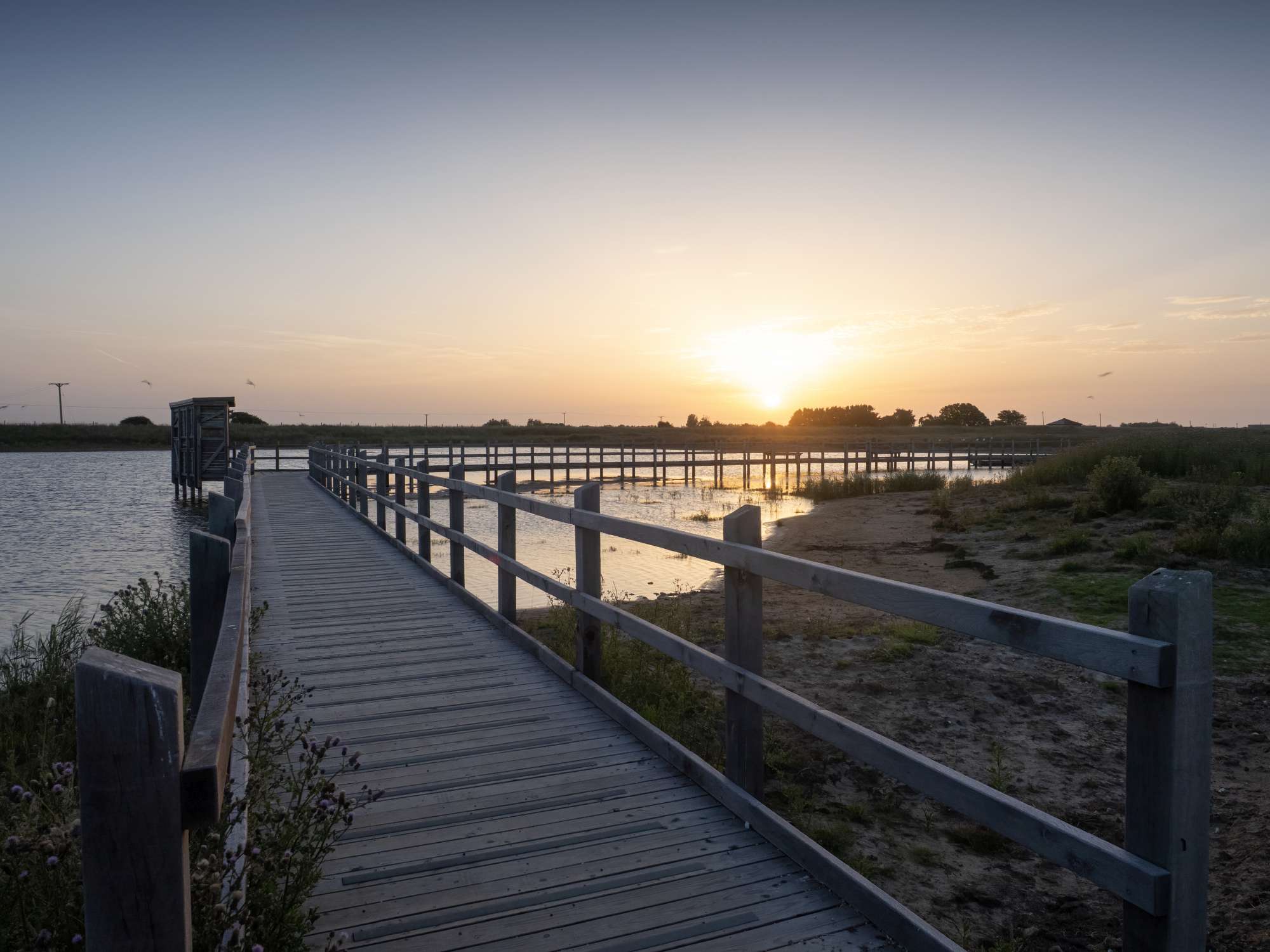
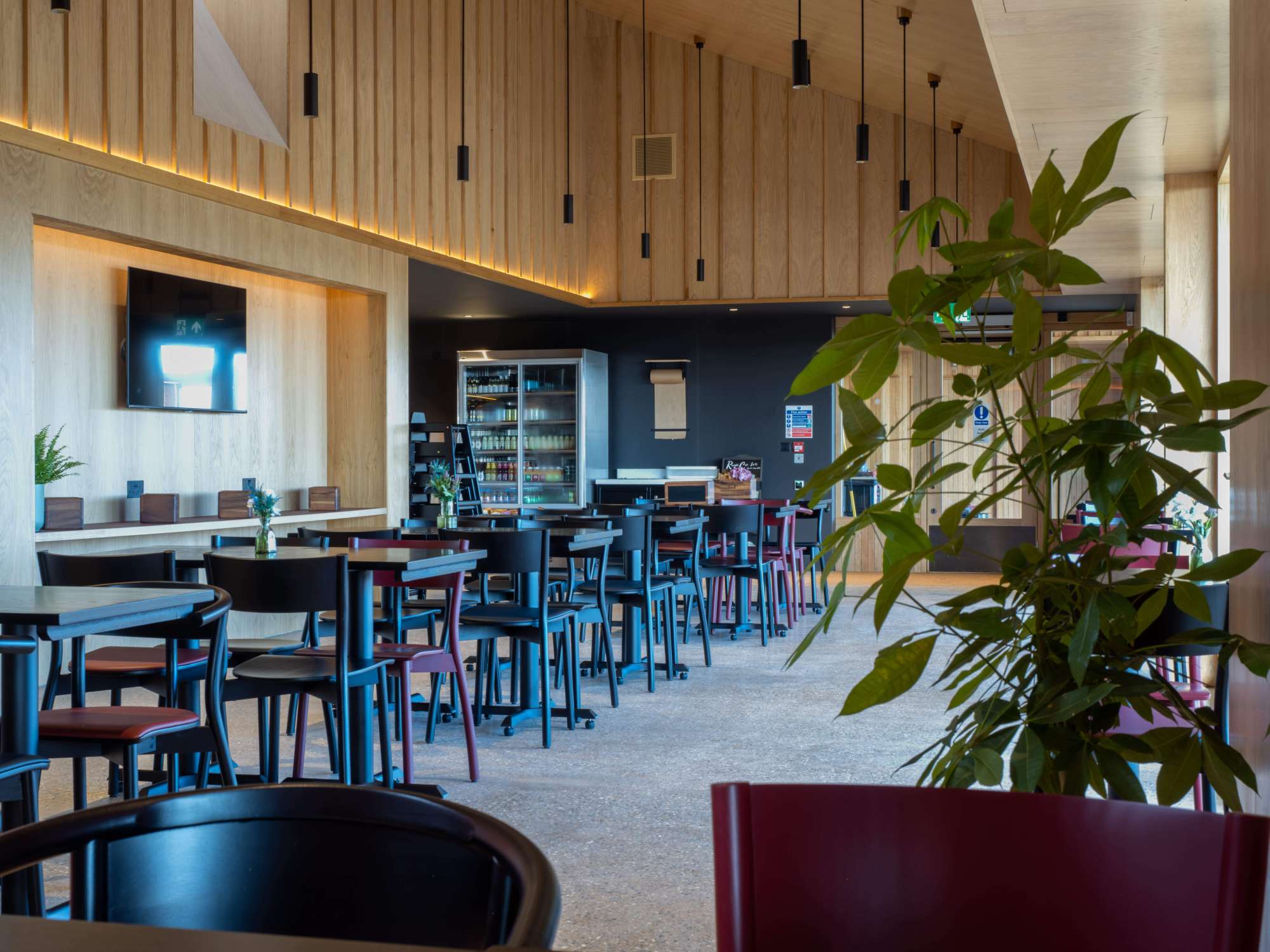
Work to transform the former golf course into a nature reserve included moving nearly 52,000 cubic metres of earth (enough to fill 21 Olympic swimming pools or Big Ben’s Elizabeth Tower 11 times over), and planting 35,000 native coastal shrubs such as sea buckthorn, gorse, goats willow and blackthorn. This was in addition to creating a brand-new visitor building, complete with cafe, community space, additional parking and Changing Places facilities, as well as accessible pathways throughout the reserve itself.
Rob Cook, Project Manager for the National Trust Sandilands said, “Sustainability is at the heart of Sandilands, with the visitor hub and café being no exception. The building frame used timber over steel structural elements, and the cladding came from our sister site, National Trust Ashridge Estate in Herefordshire. Working closely with Influence Landscape Planning & Design, the building was constructed using a timber frame with no steel structural elements. Solar panels and sheep wool insulation have been used to make the building work as efficiently as possible, as well as an air source pump and ventilation recovery system to reuse heat where needed.”
“We were very mindful of the patterns of breeding and migratory cycles throughout the project” said Nicola Craven, Countryside Manager for the National Trust Lincolnshire Coast, “so the work to transform this special area of coast was very ‘stop-start’ to avoid disturbance of the birds during nesting season. However, it has definitely been worth it and now our ambition is for this site to continue its natural recovery over the next decade, creating richer habitats, supporting more species and offering greater opportunities for people to connect with nature.”
Visitors to the site will also experience the changing rhythms of nature throughout the year. In summer, the wetlands will come alive with dragonflies, bees and butterflies, while the distinctive calls of avocets echo overhead. During winter, the reserve will offer opportunities to witness the arrival of whooper swans, wigeons and brent geese as they journey from their Icelandic and Norwegian breeding grounds to spend the colder months on the Lincolnshire coast.
Ryan Stamp, National Trust Ranger Volunteer at Sandilands, who helped with some of the native shrub planting, commented, “Coming back week after week and seeing Sandilands’ progression towards a truly thriving wetland, teeming with plants, insects and birds I’ve never seen before, and knowing I played a minor role in that transformation, is a heartening testament to nature’s resilience when given a chance and a crucial source of hope in a wider context of environmental degradation.”
As well as creating space for wildlife, Sandilands has been designed as an accessible destination where more people can experience the wellbeing benefits of being in nature.
Chris Baron, Chair, Connected Coast said: “It is fantastic to see the accessible visitor hub and café now open and ready to offer a warm welcome to people coming to spend time in this special place for nature. It also provides opportunities for volunteering and employment, benefitting the local community. National Trust Sandilands is sure to become a must-visit spot, bringing people to this part of our connected coast.”
Summing up the project, National Trust Director of Land & Nature, Harry Bowell said, “This project reflects the National Trust’s ambition to create places where people and nature can thrive together. By restoring habitats, improving access to green space and inspiring people to engage with the natural world, Sandilands embodies the charity’s commitment to ensuring that nature, beauty and history belong to everyone.”